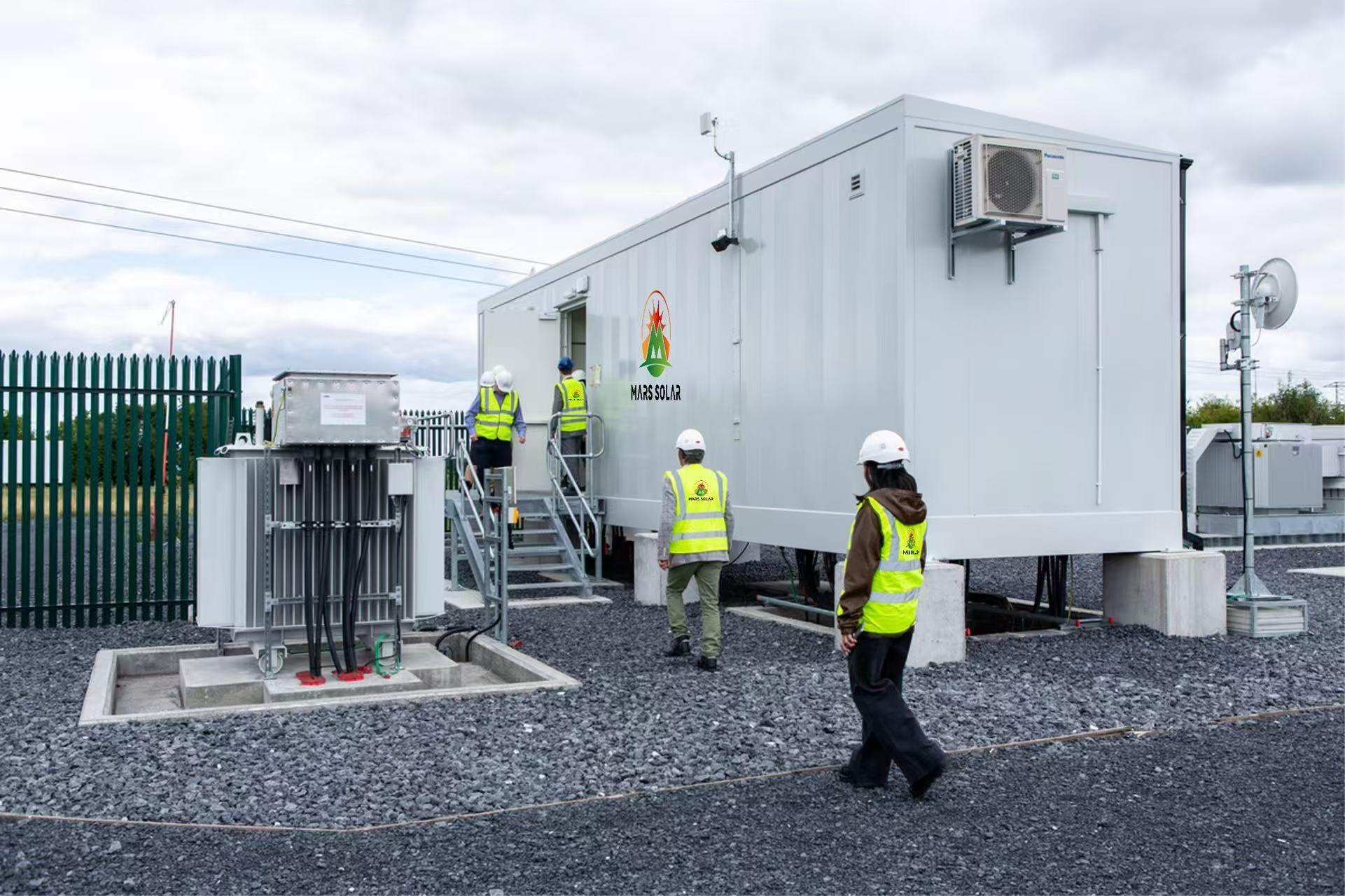
Leveraging the daylight potency throughout solar electric frameworks delivers a uncontaminated remedy for mitigating our ecological impression. Our tutorial investigates different kinds of setups, from residential rooftop bundles to massive solar parks. We’ll present essential constituents, including solar modules, devices, storage solutions, and necessary links. Furthermore, current content shall extend a explicit knowledge of deployment procedures, probable fees, and current incentives to facilitate users consider the shift to photovoltaic power.
Factory Solar Arrays: Enhancing Productivity & Ecological Integrity
That increasing demand for non-polluting energy is prompting innovation in solar technology, with production solar units surfacing as a crucial development. The following strategy allows for wide-ranging production, causing in diminished costs and refined superiority compared to classic methods. By streamlining the construction process and incorporating automated mechanisms, these plants materially increase overall effectiveness while reducing environmental consequence, thereby promoting a more clean future.
Energy Storage Installations: Improving Sustainable Energy Consumption
Steadily, solar radiance systems are uniting with Battery Energy Storage Systems (BESS) to harness their full strength. Such synergy addresses the fundamental intermittency of heliacal energy, allowing unused power yielded during peak solar peak times to be maintained and dispatched when demand is significant or photovoltaic production is limited. Battery storage support grid robustness, reduce battery energy storage system manufacturer (BESS) usage rates on non-renewable resources, and elevate the whole efficiency of renewable energy infrastructure.
- Lower peak demand charges
- Raise grid resilience
- Encourage the integration of expanded renewable resources
Photovoltaic Battery Systems: An Elaborate Insight
Integrating star power generation with efficient energy retention is crucial for boosting its worth. These arrangements address the natural intermittency of sunlight, authorizing energy to be available when it’s needed, irrespective of present weather circumstances.
- Lithium Polymer power capsules are extensively adopted for private and enterprise applications due to their marked energy thickness and minimizing charges.
- Recirculation power containers offer pros such as prolonged lifespan and modifiability, turning them compatible for large-scale preservation.
- Hoisted hydrostorage systems represent a advanced technology, demanding the hoisting of water to a loftier container during periods of additional sun generation and unleashing it through a engine when call is strong.
Fusing Solar Power and BESS for Factory Energy Independence
Factories possess the capability to significantly reduce their reliance on centralized power by merging sun power arrays with BESS. This procedure provides a factory to create its own zero-emission electricity across daylight hours, reserving excess power in energy containers for exploitation during periods of darkness or grid outages. The developing energy self-sufficiency simultaneously decreases operational costs but also advances the factory’s green credentials.
Solar Infrastructure Design for Manufacturing Applications: Prime Practices
Designing a sunlight-driven power setup for trade uses requires a precise methodology. Several aspects must be examined to verify effectiveness and soundness. Begin with a comprehensive review of the power necessities of the complex, accounting for peak peak usage. Next, carry out a setting assessment, accounting for solar radiation exposure levels, dimness, and anticipated ecological setups. Proper unit option – including heliacal collectors, modulators, and repository solutions – is vital for ongoing productivity. In the end, adopt a strong observation structure to elevate setup performance and support sustenance.
- Know Amperage Needs
- Examine Venue Parameters
- Elect Convenient Features
- Initiate a Tracking Setup
After Solar Arrays: Exploring Electric Retention Strategies
While heliacal units represent a significant improvement towards clean charge, their intermittent property necessitates stable voltage containment. Progressing after simply creating electrons, modern techniques are devoted on how to preserve redundant electric for following use. These measures encompass a ample assortment of tools, entailing:n
- Lithium Polymer devices – widely used in powered vehicles and extensive containment.
- Hoisted hydro keeping – capitalizing on pressure to preserve electrical.
- Stored gas electric holding – retaining voltage as concentrated aerosol.
- Heat current preservation – holding heat for deferred exploitation.
Enhancing Workshop Activities with Solar Energy and Charge Accumulation
Many recent manufacturing sites are increasingly examining sustainable approaches to curtail their carbon mark and production budgets. Integrating sun-powered power creation with electricity saving affords a advantageous pathway. This synergy allows factories to create their personal electricity, minimizing consumption on the power network. Furthermore, charge storage provides a regular power source, even during cycles of low sunlight or significant call. Consider these potential perks:n
- Minimized power costs
- Strengthened power detachment
- Reduced planetary exhaust
- Improved resilience to utility losses
Industrial Future of Manufacturing: Photovoltaic Power, Storage Storage Systems (BESS|Power Backup Systems|Energy Backup Solutions|Energy Storage Technologies|Power Reserve Units|Energy Retention Devices|Electricity Storage Mechanisms}) and Energy
Production's trajectory is swiftly shifting towards clean energy adoption, driven by accelerating costs and environmental concerns. Future key element within this transition is the utilization consisting of solar power – providing clean electricity for factories. Combined with Energy Storage Systems (BESS), which deliver resilience against power outages and enhance energy usage, manufacturing facilities can gain greater operational liberation. Furthermore, operational efficiency tactics – particularly maximizing processes and mitigating waste – will be key guaranteeing a efficient and non-polluting path for the manufacturing sector.