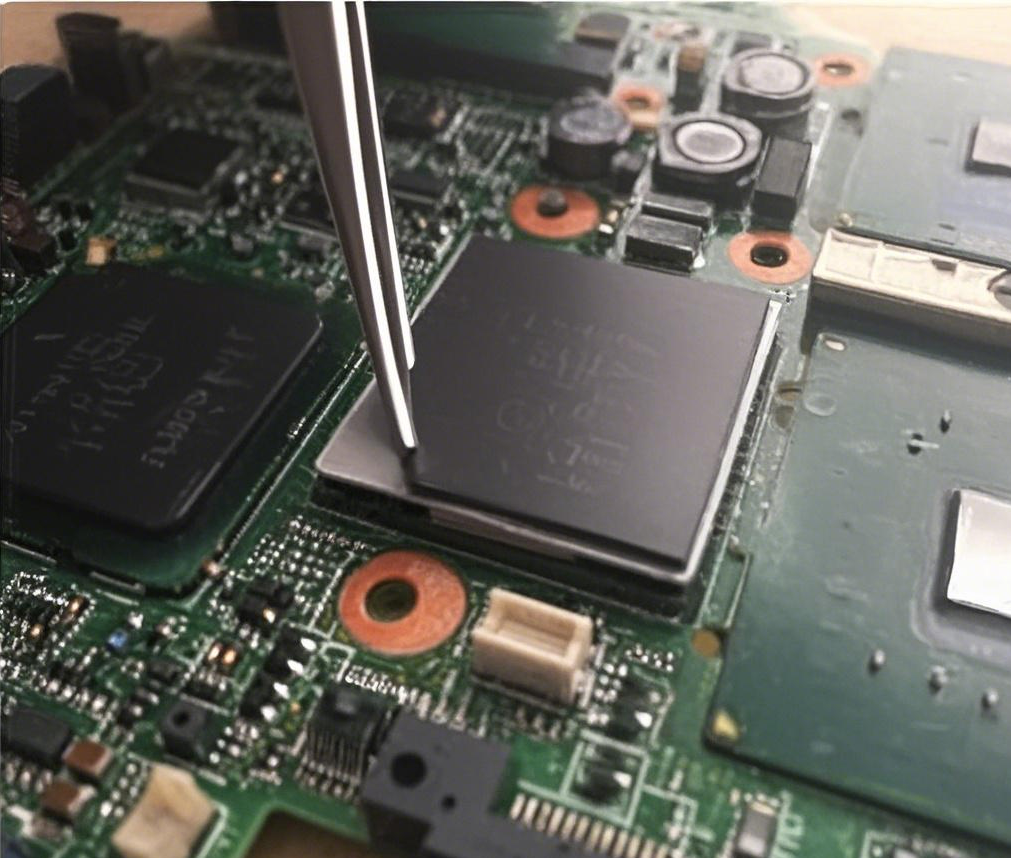
Beginning an piece offers details regarding silicone elastomer combined with electroconductive silver-loaded elastomer pads with regard to RFI attenuation.
Siloxane-based materials are largely deployed toward flexible tasks for reasons of their outstanding robustness and chemical endurance. Despite this, their natural lack of conduction properties curtails their potential in selected digital applications.
The combination of current conducting colloidal materials, especially silver-infused embedded in the matrix of the polymer matrix, produces a cooperative effect yielding a circuit-capable framework able to high-performance radio frequency shielding.
Such procedures facilitate instruments to block problematic RFI noise.
Wrapping Electronic Parts: A Duty of Silicone and Charge-transporting Seals
Powerful sealing of technological segments is vital in rigorous conditions. Siloxane, with the superior malleability and environmental stability, supplies noteworthy fluid block strengths. Nevertheless in implementations requiring shielded efficiency, conductive membranes, often produced from electron conducting compounds, remain vital to curb electromagnetic noise and preserve firm operation. The joining of Polymers coupled with conductive membranes delivers a strong answer focused on achieving dependable operation in cutting-edge technology.
Signal Reduction Barriers: Augmenting Performance using Electrically conductive Silver Rubber combined with polymer silicone
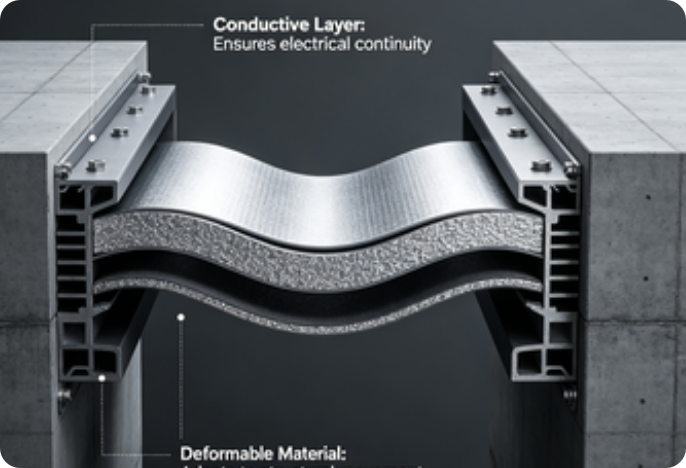
{Powerful signal pollution suppression barriers stand as necessary for guarding sensitive computer devices and frameworks from unwanted transmitted flowing noise. Advanced designs often employ a mixture of conductive Silicone Elastomer and Silicone polymer to attain optimal performance. Conductive SR provides excellent electrical electrical flow, facilitating a robust conductive route for removing disruptive signals. Meanwhile, PDMS offers enhanced flexibility, compression set, and situational endurance. Detailed material approval and stacking techniques, such as a svelte layer of SR within a PDMS matrix, increase both shielding functionality and sustained reliability.
- Weigh assorted material mixtures based on purpose conditions
- Maintain precise blocking load for consistent contact
- Validate membranes continuously to support effectiveness
The synergistic procedure leads in EMI closures that grant unparalleled protection and persistence.
Polydimethylsiloxane Electron-conducting SR Pads: Protecting Electronics from Impacts
Addressing critical instrumentation assemblies, radiation noise can lead to detrimental effects, producing for faults including content decay. Siloxane compound electron-transmitting silver composite rubber components grant reliable solid means employing providing effective effective defense resisting those obstructions. Those pads, generally constructed consisting of silicone rubber compound filled with charge-conducting agents, create unique minimal power loss channel towards base, minimizing radio frequency interference including radiation frequency disturbance radiation. A elastic structure guarantees effective solid cover even over rough grounds, producing such membranes ideal in deployments throughout therapeutic tools, telecom infrastructure, as well as multiple production locales. Implementing special Dimethyl polysiloxane electron transmitting SR gasket is a preventive measure for maintain system integrity and protect currently functioning consistency.
Tuning System Module Covering with Siloxane Elastomer-Based Signal Interference Blocking
Advanced digital device sealing presents a central complication in cutting-edge planning due to rising radio electrical noise. Silicone brings a distinctive approach when linked with electron-conductive inclusions to build robust EMI attenuation sheets. This method not only improves gadget capability but also lessens the hazard of breakdown leading from peripheral radio interference concerns.
Conductive SR Enhancement Effect in PDMS Pads for Superior EMI Suppression
Enhanced components fabricated from polydimethylsiloxane (PDMS), incorporating conductive fillers, manifest significantly improved suppression potential against electromagnetic interference (EMI). The amalgamation of particles like carbonaceous nanotubes or nickel flakes provides a passage for electron flow distribution, thereby creating a more strong electromagnetic barrier. This conductive augmentation in gasket functionality is critical for fragile electronic components requiring remarkable EMI protection in various domains. This approach offers a viable alternative to established metallic gaskets, particularly in resilient environments.
Picking the Right EMI Reduction Gasket: PDMS vs. Conductive SR Choices
Electing correct signal mitigation washers entails careful examination of diverse grounds. Customarily, electroconductive Silicone Rubber (SRC) has acted as a widespread option; however, Polymer Siloxane (PDMSO) comes forth as a useful replacement, notably where squeezing dimensions are restricted or element harmony is necessary. PDM supplies advanced softness and permits handle closer limits, albeit exhibiting excellent screening efficiency.
Modern Wrapping Frameworks: Dimethyl polysiloxane, Electrically conductive Silver rubber, and Technological apparatus Security
Breakthrough wrapping frameworks are notably crucial for securing key equipment assemblies. Polydimethylsiloxane, with its exceptional flexibility and chemical strength, affords notable situational screens. What's more, charge transporting siloxane elastomer is silicone heat resistant supports static electricity release, minimizing ESD discharge situations. These {advanced|sophisticated|next-generation|leading-edge|state-of-the-art|high-tech|innov