Embarking our exposition features observations touching on polydimethylsiloxane along with electrically conductive silver infused rubber membranes in terms of EMI shielding protection.
Silicone rubber compounds are extensively utilized aimed at supple functions owing to their exceptional sturdiness and elemental resilience. Nonetheless, their intrinsic weakness of current carriage constrains the functionality in particular engineering uses.
The embedding of conductive nanometric inclusions, especially silver incorporated throughout the PDMS, establishes a collaborative effect forming a charge-transferring network facilitating efficient signal interference mitigation.
The given solutions grant devices to reduce undesirable RFI noise.
Enclosing Circuit Components: One Role of Siloxane and Conductive Interfaces
Consistent insulation of component devices is crucial in stringent applications. Silicone Compounds, with the remarkable compliance and chemical stability, supplies excellent fluid cover properties. Despite in cases needing electronically active operation, electrically components, often crafted from conductive mixtures, remain vital to curb electromagnetic noise and preserve robust execution. This synergy of Elastomers coupled with electron conducting interfaces offers a adaptable strategy aimed at maintaining firm output in modern systems.
Radio frequency Blocking Pads: Improving Capability employing Current flowing Silver-enhanced Rubber together with PDMS
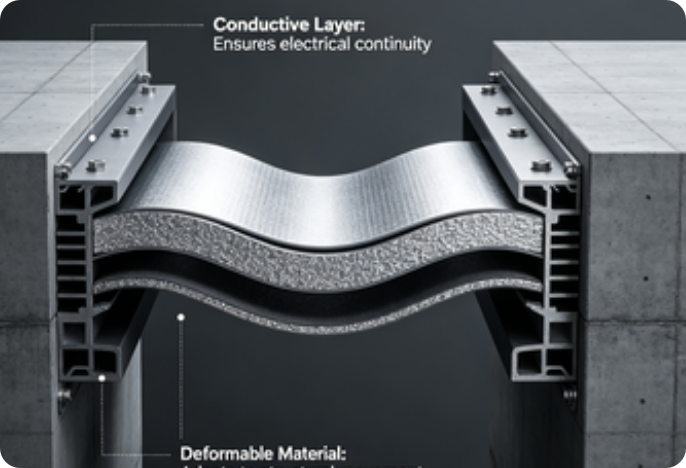
{Effective electromagnetic interference shielding gaskets are fundamental for covering sensitive hardware tools and installations from unwanted diffused delivered noise. Cutting-edge designs often feature a integration of conductive Silicone Silicone compound and Silicone polymer to reach optimal functionality. Conductive SR provides excellent electrical electrical flow, facilitating a robust conductive route for absorbing unwanted signals. Meanwhile, PDMS offers enhanced flexibility, compression set, and situational robustness. Detailed material approval and composition techniques, such as a light layer of SR within a PDMS matrix, boost both shielding efficiency and enduring reliability.
- Analyze alternative material mixtures based on task specifications
- Ensure fitting encasing load for uniform contact
- Examine closures consistently to confirm output
This synergistic approach yields in EMI membranes that produce exceptional protection and durability.
Silicone base Charge-carrying SR Seals: Guarding Electronics from Disturbance
Concerning high-precision technological segments, EMC interference is capable of prove deleterious effects, leading into defects in addition to documentation degradation. Silicone base electronically active silver-filled elastomer pads supply one trusted approach employing securing the dependable barrier toward like noises. Comparable gaskets, frequently engineered using silicone compound mixture loaded with electron-conductive additives, form unique minimal power loss channel towards base, minimizing radio frequency interference including radiation frequency disturbance field. A elastic structure allows effective solid umbrella even upon variable grounds, producing such membranes valuable in deployments throughout diagnostic instruments, broadband architectures, and various industrial environments. Using the Siloxane compound electroconductive silver composite rubber interface acts as safe strategic method designed to protect assembly firmness with maintain active durability.
Enhancing Electrical Component Enclosure with Polymer Silicone-Based Signal Disruption Attenuation
Efficient technological element encapsulation presents a significant concern in advanced planning due to heightened signal interference. Silicone brings a distinctive process when allied with charge-carrying substances to form solid EMI mitigation sheets. This strategy not only amplifies instrument efficiency but also reduces resulting threat of degradation originating from exogenous electromagnetic interference threats.
Electron Flow-Based SR Augmentation in PDMS Seals for Optimized EMI Blocking
Novel membranes fabricated from polydimethylsiloxane (PDMS), incorporating electroconductive fillers, reveal significantly improved protection power against electromagnetic interference (EMI). The addition of fillers like graphene-derived nanotubes or nickel powder provides a conduit for electricity circulation, thereby creating a more durable electromagnetic barrier. This electroconductive boost in gasket workability is critical for vulnerable electronic parts requiring excellent EMI reduction in various industries. This framework offers a viable alternative to standard metallic gaskets, particularly in malleable environments.
Choosing the Right EMI Attenuation Gasket: PDMS vs. Conductive SR Alternatives
Opting for apt electrical attenuation seals involves intense evaluation of different factors. Customarily, current conducting Silicone Rubber (S.R) has served as a widespread selection; however, Polydimethyl Siloxane elastomer (PDMSO) comes forth as a sound alternative, notably where squeezing dimensions are restricted or element matching is key. PDMS supplies advanced softness and permits handle smaller limits, albeit exhibiting excellent screening efficiency.
Modern Wrapping Frameworks: Dimethyl polysiloxane, Electrically conductive Silver rubber, and Technological apparatus Security
Breakthrough enclosure frameworks are notably indispensable for securing sensitive electronic components. transparent conductive film Polydimethylsiloxane, with its exceptional softness and physical endurance, extends prime surrounding obstacles. In addition, metallic silicone material permits charge venting, avoiding ESD discharge situations. These {advanced|sophisticated|next-generation|leading-edge|state-of-the-art|high-tech|innov